


East and southeast of Graz, Styria becomes hilly. Gentle peaks, forests, orchards, and vineyards alternate. If you’re traveling here with your camper, you’ll find two SwiftStops that fit this landscape well: Trössing in the Styrian Volcanic Region and Hirnsdorf in the East Styrian Hill Country.
Both spots are designed for campers who are self-sufficient and simply looking for a quiet place after a leg of their journey. Here you can read what awaits you in the landscape, what you can do in the area, and how the stop works.
Hills, Ridges, and Ancient Volcanoes
The East Styrian Hill Country is a rolling landscape in the southeast of Styria. The long, flat hill ridges here are called Riedel, and most valleys run south or southeast. Rivers like the Raab and Feistritz structure the land, and in the north, it’s bordered by mountains like the Kulm.
Further south, individual peaks of volcanic origin rise from the landscape, such as the Gleichenberger Kögel and the Stradner Kogel. The Styrian Volcanic Region is named after these remnants of ancient volcanoes, an association of many municipalities in southeastern Styria.
Trössing: Stopover Spot in the Styrian Volcanic Region
The Styrian Volcanic Region gets its name from extinct volcanoes. You can still see their remnants today as hills in the landscape, and there are several around Gnas. Trössing has been part of the market town of Gnas since 2015 and is designated as a volcanic municipality.
The volcanoes were active in two phases: about 17 million years ago and again about two million years ago. The most famous of these mountains is the Gleichenberger Kogel. The rock on which Riegersburg Castle stands is also a remnant of this volcanism: a basalt cone towering high above the surrounding area. If you’re in the area for an extra day, the castle fits the region’s name well.
Trössing itself is a small village about 40 kilometers southeast of Graz, off the main roads. The Gnasbach stream flows through the municipal area, with the terrain gently rising on both sides.
The SwiftStop there is located right in the vineyards. From your spot, you look west and east, so you’ll see the sunset in the evening and the sunrise in the morning. There’s a gate for the spot. Please close it behind you to keep wild animals out. How to get in is described on the spot’s page on swiftstop.eu.
Hirnsdorf: Quiet in the East Styrian Hill Country
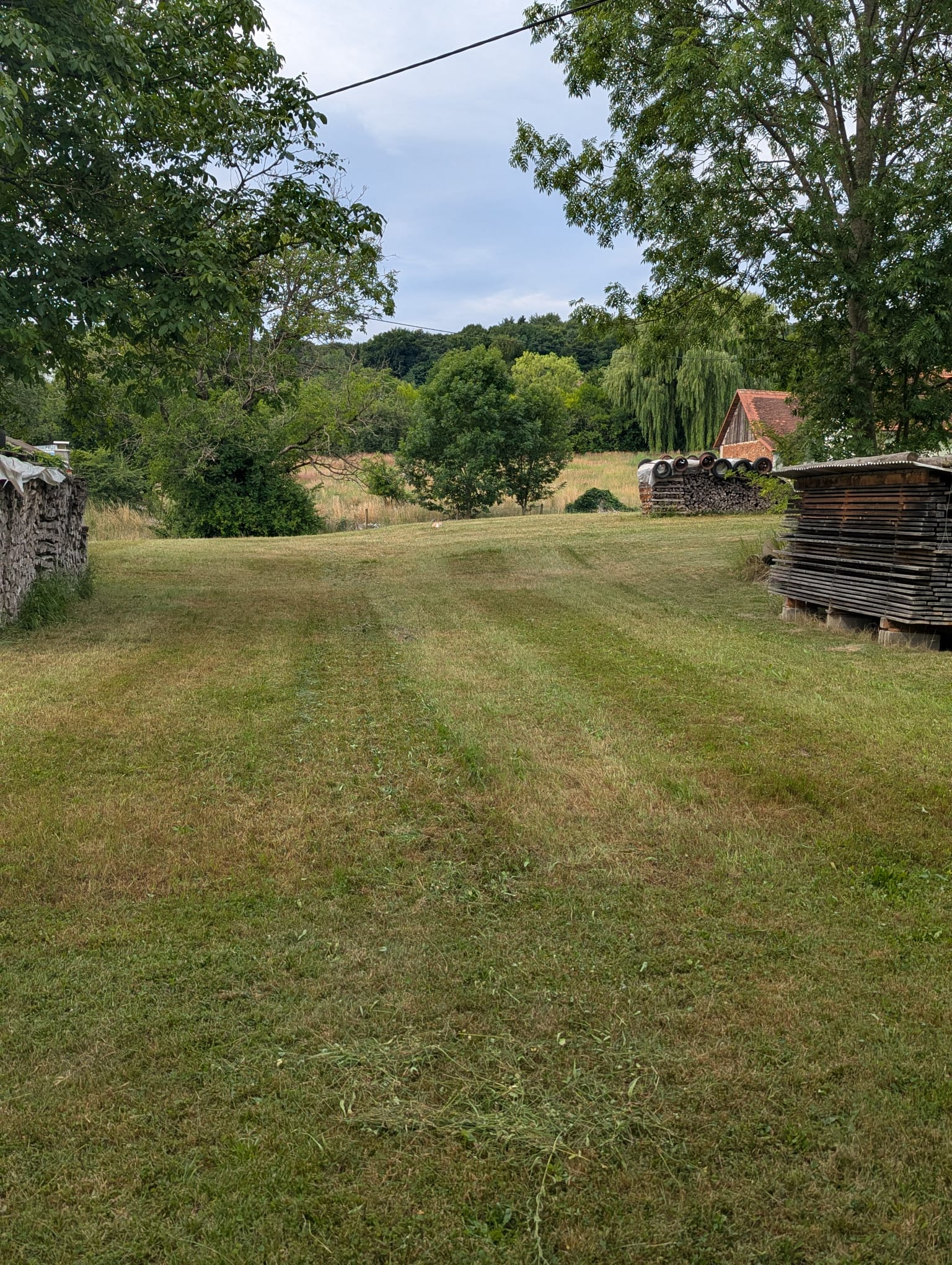
Further north, Hirnsdorf is located in the East Styrian Hill Country. The spot is quiet, and there are excursion destinations nearby: Herberstein and Stubenbergsee are not far. If you feel like doing something after your journey, you can spend half a day there before continuing.
Hirnsdorf has been part of the municipality of Feistritztal since 2015. The Feistritz river flows there from north to south through a wide valley floor, with wooded land rising to the east and west. North of Hirnsdorf lies the Weinberg, an offshoot of the Kulm. The Kulm itself is 975 meters high and offers a wide view over the East Styrian Hill Country.
Excursions around Hirnsdorf
Herberstein Castle stands on a rock about 40 meters high in the Feistritz Gorge, surrounded on three sides by the river. You can visit parts of the castle on guided tours, plus there are the gardens, which have existed since the 16th century. Right next to the castle is Tierwelt Herberstein, a zoo.
Stubenbergsee is an artificial swimming lake at the foot of the Kulm, fed by the Feistritz. A flat path about three kilometers long runs around the lake, good for an evening stroll. Stubenberg is also located on the Styrian Apple Road. It’s best to check opening hours and admission fees on the websites of the excursion destinations beforehand.
How the Stop Works
Before You Drive
Before you drive, check the page for your spot on swiftstop.eu. You’ll find specific instructions for that spot there, for example, how to get through the gate in Trössing. This way, you’ll know what to expect before you even set off. You can find the pages here: Trössing and Hirnsdorf.
Both spots are only for self-sufficient vehicles, meaning motorhomes, campers, or vans that are self-contained. So, fill up with fresh water, empty grey and black water, and charge your onboard battery before you arrive.
On Site
It works the same at both spots. You don’t reserve in advance. You drive up, find a free spot, and scan the QR code. Payment is made online with Apple Pay, card, or PayPal; you don’t need an account for this. You’ll get the receipt directly on your phone.
Check-in and check-out are available around the clock, and there’s no minimum stay. And as everywhere, the site rules apply to ensure it remains pleasant for the next guests.
If you arrive late, feel free to drive onto the spot and keep lights and noise to a minimum. Take your trash with you, and leave the spot as you found it.
If a Spot is Full
Because nobody reserves, a spot can sometimes be full on popular days. Especially during peak season, it’s worth having a second stop in mind. There are other SwiftStops in the area, for example, in Southern Styria.
Tips for Your Journey
Plan the last leg of your journey so you arrive in daylight. It’s always best to see a new spot for the first time in daylight. You reach Trössing via regional roads; the main thoroughfares are off to the side. So, allow a little extra time for the last few kilometers.
If you combine both spots on one trip, the route almost plans itself: Hirnsdorf in the north with Herberstein and Stubenbergsee, Trössing in the south among the vineyards of the Volcanic Region. Buy what you need for the evening on the way, so you don’t have to leave the spot again.
For One Night or a Bit Longer
Most guests only stay one day and then move on. If you like the Volcanic Region or the Hill Country so much that you want to stay an extra day, that’s fine too. The important thing is that your entire time at the spot is paid for.
You can find all spots and what they offer at Swift Stops.