



Summer is over, the spots are getting quieter, and the light is getting softer. For many, autumn is the best time to be out and about with a motorhome, camper, or van. The air is clear, the landscape is changing color, and you often have more peace and quiet than in high season. At the same time, the season brings its own challenges: shorter days, cool nights, and more moisture in the vehicle. With a little preparation, this won’t be a problem, but simply part of the adventure.
Shorter days: Plan for the evening
In autumn, it gets dark much earlier than in summer. If you’re used to driving until evening and then looking for a place, you might suddenly find yourself in front of an unfamiliar entrance at dusk. A few habits help:
- Try to set off a bit earlier and plan your leg so that you arrive in daylight if you don’t know the spot.
- Check out the spot beforehand, at least on the map, so you know what the access looks like.
- Keep a headlamp handy. It’s worth its weight in gold when leveling, putting down chocks, or stowing cables in the dark.
And if it does get late: At SwiftStop, you can check in and out around the clock at spots like Thondorf, Hirnsdorf, Trössing, Mureck, Güssing, Klöch, or at Demmerkogel. You drive up, pick a free spot, scan the QR code, and you’re checked in—all without a reservation and without a reception desk that has already closed.
Moisture: Ventilation is more important than heating
The issue almost all campers know in autumn is foggy windows in the morning. Breathing, cooking, and drying wet jackets creates a lot of moisture. When it hits cold windows and walls, it settles as condensation. If it stays there, it can smell musty or even grow mold.
How to keep moisture under control:
- Air out briefly and regularly, ideally across the vehicle, instead of leaving windows tilted for a long time.
- Never tape over roof hatches or fixed vents, even if it’s cold. They are also there for your safety.
- Use lids when cooking and open the extractor hood or roof hatch.
- Avoid drying wet clothes in the living area if possible, or only with the heater running and vents open.
- Wipe down windows in the morning before water runs into seals and upholstery.
A warm, dry interior feels more pleasant than a damp one, even if the thermometer says the same thing.
Heating and gas: Give it a check
Before the first truly cold nights arrive, it’s worth taking a look at the heater. Let it run for a few minutes at home and check if everything starts up. If you heat with gas, make sure there is enough in the tank or cylinder, because you use significantly more in autumn than in summer.
One point that is often overlooked: butane hardly evaporates at temperatures around freezing, whereas propane does. If you are heading into cold nights, propane or a propane-rich mixture is the safer choice.
Very important: Never heat the interior with the gas stove, a grill, or a radiant heater without an exhaust flue. This can produce carbon monoxide, which you can neither smell nor see. A CO detector in the vehicle is a small investment that saves lives in an emergency.
Water and battery: You notice the cold here first
If the temperature drops below zero, water in pipes, pumps, and tanks can freeze and cause damage. If frost is forecast and you aren’t heating, it’s worth draining the water system or letting the heater run on a low setting. Follow the manufacturer’s instructions for your vehicle.
The leisure battery also feels the cold. It delivers less power at low temperatures, while you simultaneously need more light and more electricity for the heater fan. Therefore, start the night with a full battery and keep an eye on the charge level.
Since SwiftStop spots are intended for self-contained vehicles, this preparation pays off twice. If you want to get rid of gray water, you can do that in Mureck and Güssing. Both spots also have a car wash and a supermarket nearby, practical for a stopover with a bit of shopping.
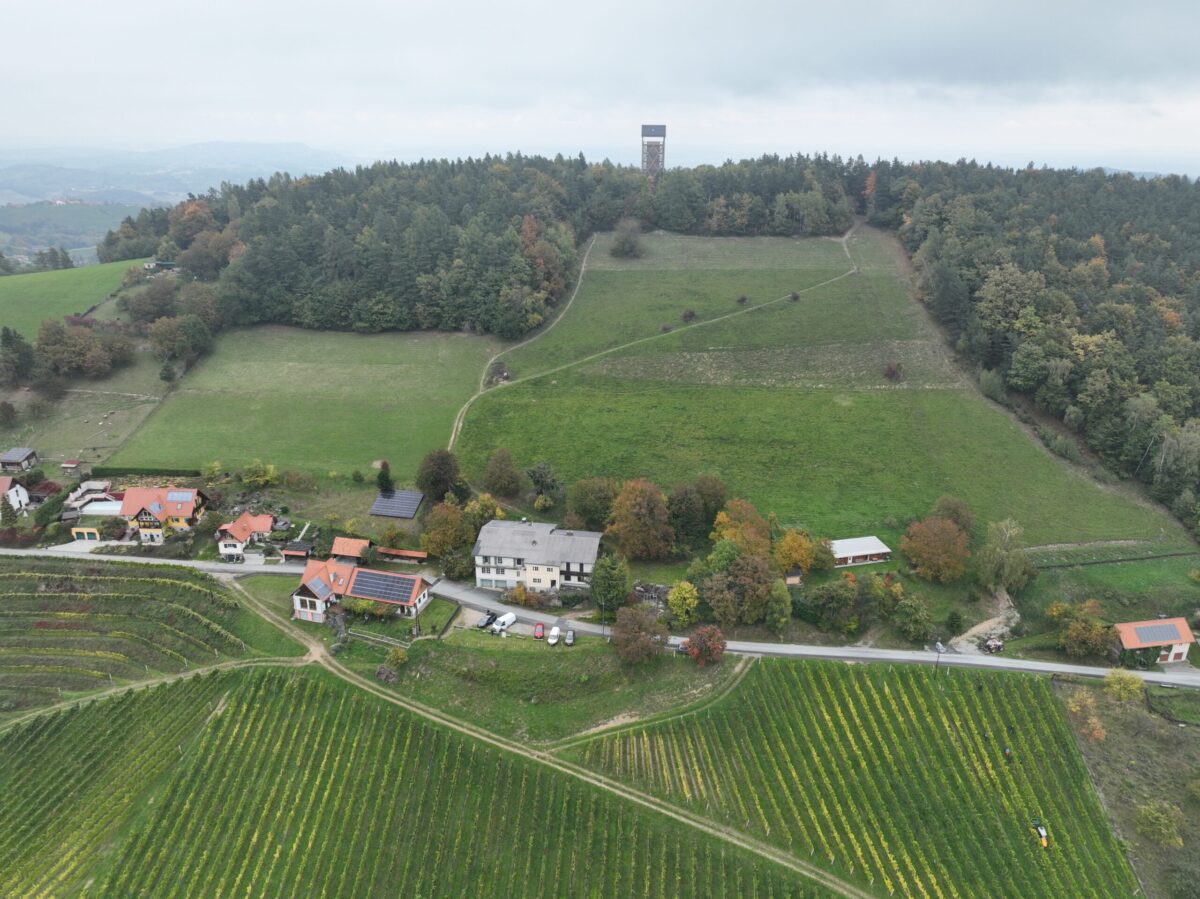
Autumnal stops along the route
Autumn is ideal for planning a spontaneous detour. A few SwiftStop spots are particularly suitable for this:
- Demmerkogel in Southern Styria: You’ll stay here with a top view.
- Trössing in the Styrian Volcanic Line: A spot in the vineyards with views to the west and east. Please close the gate again because of the wildlife.
- Hirnsdorf in the East Styrian hills: Quietly located, with Herberstein and Lake Stubenberg nearby, good for a day trip.
- Klöch in Southern Styria: Quiet location, lots of nature, and a connection to the Klöch Golf Resort.
- Thondorf in the Graz field: Right next to the highway, ideal for a night near the highway and the city when you just want to arrive safely and move on the next morning.
The same applies everywhere: You don’t need to reserve anything in advance. Simply drive up, choose a free spot, scan the QR code, and pay with Apple Pay, card, or PayPal. The receipt comes directly to your phone, no registration required.
Your little autumn checklist
Finally, the most important points again in brief:
- Plan legs so that you arrive in daylight if you don’t know the spot.
- Keep a headlamp and warm clothes handy.
- Air out daily, keep vents clear, dry windows in the morning.
- Test the heater and have enough gas, ideally propane, on board.
- Never heat with a stove or grill; install a CO detector.
- Think about the water system and battery in case of frost.
- Empty gray water in time, for example in Mureck or Güssing.
With these simple steps, autumn becomes a truly relaxed time to travel. The spots are quieter, the landscape is colorful, and you can decide spontaneously where you want to stay for the night. You can find all SwiftStop spots at swiftstop.eu.